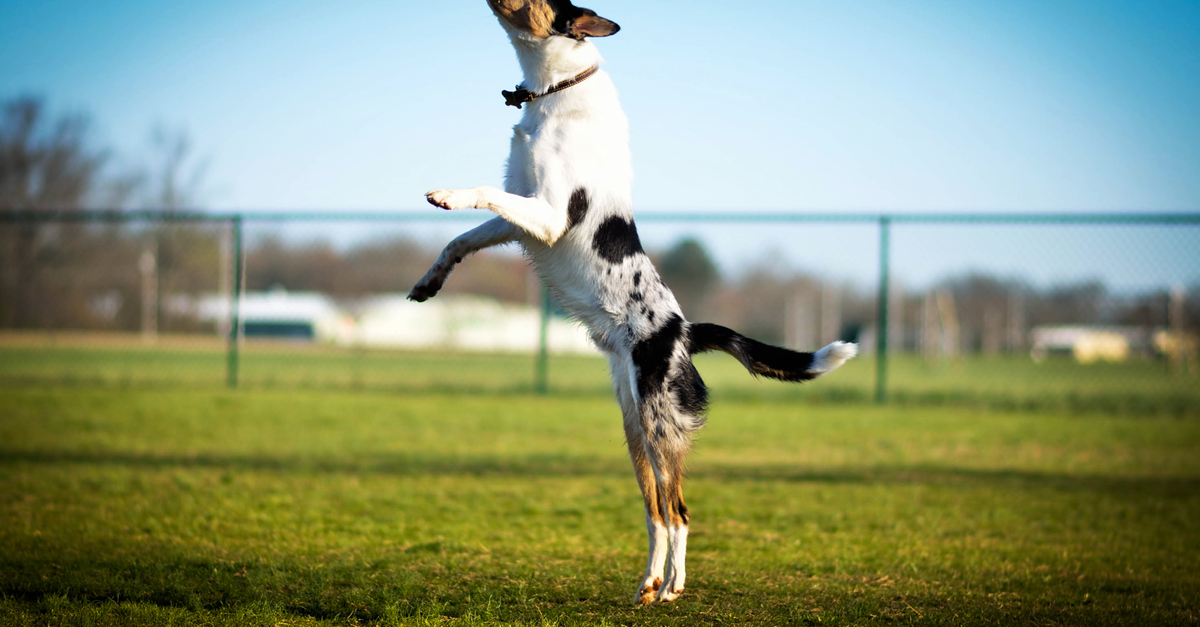
Discover the real reasons your dog jumps on guests and learn counter-intuitive, effective strategies from a dog trainer to stop this frustrating behavior.
Picture this: The doorbell rings. Before you can even reach the door, your dog is a furry projectile, launching themselves at your unsuspecting guest, paws flailing, tail wagging furiously. You apologize profusely, your guest tries to laugh it off while subtly wiping paw prints from their clothes, and you’re left feeling a mix of embarrassment and frustration. This isn’t just about bad manners; it’s about a fundamental misunderstanding of canine communication and motivation. In my experience, most owners address the symptom – the jump – without ever addressing the root cause, leading to endless cycles of ineffective corrections and a dog who’s just as confused as you are.
Key Takeaways
- Your dog jumps because it’s a highly reinforced, attention-seeking behavior, not just excitement.
- Traditional methods like kneeing or pushing away often backfire, inadvertently reinforcing the jumping.
- The most effective strategy involves teaching and heavily rewarding an incompatible behavior before guests arrive.
- Proactive management and consistent training with everyone your dog interacts with are crucial for lasting change.
The Real Reason Your Dog Jumps (It’s Not Just Excitement)
Most people assume their dog jumps out of sheer joy or excitement. While enthusiasm certainly plays a role, it’s rarely the primary driver of persistent jumping. The core issue is almost always about attention and reinforcement. Think about it from your dog’s perspective: Every time they jump, something happens. Maybe you push them away (physical contact!), maybe you say “no!” (vocal attention!), maybe your guest gives them a fleeting pat or even a stern look (still attention!). To a dog, any attention is often better than no attention, and even negative attention can inadvertently reinforce the behavior.
I’ve seen countless owners try to correct jumping by pushing their dog down, kneeing them in the chest, or yelling “off!” What they don’t realize is that these actions are still engaging with the dog. The dog learns: “If I jump, I get interaction.” This is a classic example of unintended reinforcement. They’re not understanding your frustration; they’re simply responding to the attention they receive for the jumping action itself. Furthermore, if your dog gets attention for jumping sometimes (e.g., from an indulgent friend, or when you’re too busy to correct them perfectly), that intermittent reinforcement makes the behavior incredibly resilient and hard to extinguish.
Why Traditional Corrections Backfire (And What to Do Instead)
Many of the “old school” methods for stopping jumping not only fail but can actually create more problems. Kicking a dog, kneeing them, or otherwise physically punishing them for jumping can lead to several negative outcomes:
- Fear and Anxiety: Your dog might start to associate guests or even you with pain or discomfort, leading to fear-based aggression or avoidance behaviors.
- Confusion: The dog doesn’t understand why they’re being punished. They just know that approaching people sometimes results in pain, which is an unfair and unclear lesson.
- Reinforcement: As discussed, even negative physical contact is still contact, which can reinforce the attention-seeking aspect of the jump.
Instead of trying to stop the jumping, your goal should be to teach an incompatible behavior that your dog can perform instead of jumping. The most effective incompatible behavior for greeting guests is sitting. A dog cannot jump and sit at the same time. This shifts your focus from punishment to positive reinforcement, which is far more effective and builds a stronger bond with your dog.
This isn’t just about teaching “sit” in isolation. It’s about teaching your dog that sitting when someone approaches is the key to getting the attention they crave. When I work with clients, we spend significant time practicing this with high-value rewards, escalating the distractions slowly.
The Power of “No Paws, No Praise” (And How to Implement It)
This principle is the cornerstone of my approach to stopping jumping. It’s simple, yet profoundly effective: Your dog gets absolutely no attention (positive or negative) when their paws are off the floor. This means no eye contact, no talking, no petting, and no physical contact whatsoever if they are attempting to jump or have their paws on you.
Here’s how to implement it effectively:
- Turn Away Completely: The moment your dog’s paws leave the ground to jump, immediately turn your back to them. Cross your arms and stand completely still, making yourself a “boring tree.” Do not say a word. Do not make eye contact. This removes all potential reinforcement.
- Wait for All Four Paws on the Floor: Only when all four of your dog’s paws are firmly on the ground, and they are calm (even if for just a split second), do you turn back and then immediately reward. The reward should be a calm, quiet verbal praise (e.g., “Good settle,” or “Yes!”) followed by a high-value treat or a gentle, calm pet under the chin.
- Timing is Everything: The moment your dog attempts to jump, the attention disappears. The moment all four paws are on the floor, the attention returns. This clear contrast helps your dog understand the desired behavior.
- Practice with Guests (The “Doorbell Drill”): This is where it gets real. Start with a trusted friend or family member. Have them ring the doorbell. Before they even open the door, have your dog on a leash (for management, not correction). When the guest enters, follow the “no paws, no praise” rule. If your dog jumps, your guest immediately turns their back and ignores the dog. As soon as all four paws are on the floor, the guest can calmly offer a treat or a gentle pet. Repeat this many, many times. It’s about consistent repetition, not force.
I often tell clients to make sure their guests are fully briefed. A well-meaning guest who pets a jumping dog can undo days of training in seconds. You need everyone on board with the “no paws, no praise” rule.
Proactive Management: Setting Your Dog Up for Success
Waiting for your dog to jump and then correcting is always playing catch-up. True success comes from proactive management. This means taking steps before the jumping even occurs to prevent it or redirect the energy.
- Leash Management: Before guests arrive, have your dog on a leash. This isn’t for pulling or correcting, but for gentle guidance. If your dog starts to lunge, you can gently guide them into a sit or away from the guest before they make contact. This also allows you to easily remove them to another room if they become overstimulated.
- Crate or Gate: If your dog gets overly excited and is still learning, a crate or baby gate can be your best friend. Have your dog in their crate with a high-value chew toy or stuffed Kong while guests are entering. Once everyone is settled, you can reintroduce your dog, but only if they are calm. This manages the initial surge of excitement.
- Pre-Guest Exercise: A tired dog is a good dog. Take your dog for a vigorous walk, a play session, or a trip to the dog park before guests are expected. Burning off that excess energy can significantly reduce their impulse to jump.
- Designated Greeting Spot: Teach your dog to go to a specific mat or bed when the doorbell rings. Reward them heavily for settling there. This gives them a clear job to do during greetings and keeps them out of the direct path of incoming guests.
One client, Sarah, had a notoriously jumpy golden retriever named Gus. We implemented a combination of the “doorbell drill” with a mat command. For weeks, every time someone came over, Gus went to his mat, got a long-lasting chew, and was only released after everyone was settled and he was calm. Within a month, Gus was greeting guests politely, sometimes even lying on his mat as the door opened, knowing his reward was coming there.
The Role of Consistency and Everyone on Board
This is perhaps the most critical, yet often overlooked, component. Stopping a deeply ingrained behavior like jumping requires absolute consistency from every single person who interacts with your dog. One lapse can undo hours of training.
- Family Members: Ensure every member of your household understands and follows the “no paws, no praise” rule and the designated greeting protocols. If one person allows jumping, your dog gets mixed signals and the behavior will persist.
- Friends and Visitors: Briefly educate your guests. A simple: “Hey, Fido is working on his manners. Please ignore him if he jumps and only pet him when all four paws are on the floor. Thanks!” goes a long way. Have treats ready for them to use as rewards.
- Children: This can be challenging. Teach children to stand like a “tree” if the dog jumps. Supervise interactions closely, and consider having a gate or leash in place to prevent jumping on small children who might accidentally reinforce the behavior.
- The Mail Carrier/Delivery People: While you can’t train them, you can manage your dog’s interaction. Keep your dog away from the door during deliveries, or use their crate. If your dog jumps on you after an exciting delivery, apply the “no paws, no praise” rule immediately.
I’ve seen firsthand how a single, inconsistent family member can sabotage weeks of progress. It’s a team effort, and your dog will learn fastest when the rules are clear, predictable, and universally applied.
Frequently Asked Questions
Q: My dog is small, so their jumping isn’t as big of a deal. Should I still train them not to jump?
A: Absolutely. While a small dog might not knock someone over, the behavior is still a rude greeting from a dog’s perspective. It can be startling, dirty, and for people with fear of dogs or mobility issues, it can still be a problem. Training polite greetings is beneficial for all dogs, regardless of size, and helps them learn impulse control.
Q: What if my dog gets so excited they can’t calm down even with ignoring?
A: This indicates your dog is over threshold. In such cases, the best approach is to proactively remove them from the situation. Leash them and gently lead them to a quiet space (like a crate or another room) until they calm down. Reintroduce them only when they are settled. This is where pre-guest exercise and initial management with a crate or gate become crucial.
Q: My dog only jumps on some people. Why is that?
A: This is often due to inconsistent reinforcement. Your dog has likely learned that certain individuals (e.g., an excitable family member, children, or friends who don’t follow your rules) will provide attention for jumping. They are simply responding to the history of reinforcement they’ve received from those specific people.
Q: Can I use treats to stop jumping, or will that reward the jumping?
A: You should absolutely use treats, but timing is critical. You never want to give a treat while your dog is jumping. The treat should only be given the instant all four paws are on the floor and your dog is calm. The treat reinforces the calm, four-paws-on-the-floor behavior, not the jumping.
Q: How long does it take to stop a dog from jumping on guests?
A: The timeframe varies greatly depending on the dog’s age, how long the behavior has been reinforced, and the consistency of the training. Some dogs show significant improvement in a few weeks with diligent training, while deeply ingrained habits can take months to fully extinguish. Consistency is the most significant factor in how quickly you’ll see results.
Stopping your dog from jumping on guests isn’t about punishment; it’s about clear communication, consistent boundaries, and teaching your dog a more polite way to get the attention they desire. By understanding their motivations and applying the “no paws, no praise” rule with unwavering consistency, you can transform chaotic greetings into calm, enjoyable interactions. Start today, be patient, and remember that every successful polite greeting is a step towards a well-mannered companion.