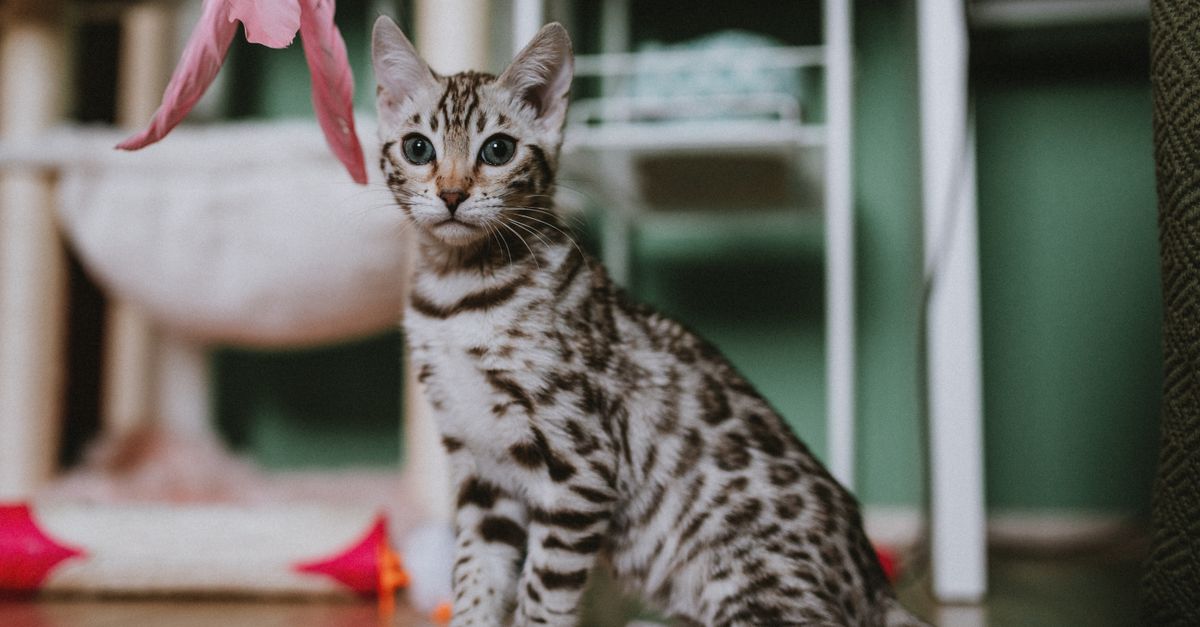
Discover the real reasons your cat ignores their toys and what to do about it. It's often not boredom, but subtle cues you're missing.
Does this sound familiar? You spend good money on a variety of cat toys — crinkle balls, laser pointers, feather wands, even those fancy interactive puzzle toys. You set them out, excited to see your feline friend engage in some stimulating play, only to watch them sniff once, perhaps give a half-hearted bat, and then saunter off to nap in a sunbeam. It’s frustrating, right? You want your cat to be happy, healthy, and enriched, but it feels like they’re just… not interested. You might even worry your cat is bored, depressed, or simply ungrateful.
In my experience working with countless cat owners, this scenario is incredibly common, and the typical advice you find online — ‘just buy more toys!’ or ‘try different textures!’ — completely misses the mark. The problem isn’t usually the toys themselves, but a deeper misunderstanding of feline play drive, instinct, and environmental factors that we, as humans, often overlook. What changed everything for me, and for the cats I’ve helped, was shifting focus from the object of play to the process of play, and critically, how our own behavior influences it.
Key Takeaways
- Your cat’s disinterest in toys often stems from misaligned play styles, not boredom or dislike of the toy itself.
- The ‘prey sequence’ — stalk, pounce, kill bite — is crucial; interrupt it and play satisfaction plummets.
- Environmental factors like toy overload, lack of novelty, and play schedule directly impact your cat’s engagement.
- Your role as the ‘hunter’ matters more than the toy; active, engaging play is key to mimicking natural hunting.
The Fundamental Flaw: Ignoring the Prey Sequence
The single biggest mistake I see cat owners make, which leads directly to cats ignoring toys, is inadvertently interrupting their cat’s natural prey sequence. Cats are obligate carnivores, and their play is fundamentally driven by their hunting instinct. This instinct isn’t just about the final ‘kill’; it’s a carefully orchestrated sequence:
- Stalk: The cat quietly approaches, often hiding, observing, and planning.
- Pounce: A sudden burst of energy to capture the ‘prey.’
- Kill Bite: The final, satisfying bite to the neck of the ‘prey,’ often involving a back-leg bunny kick.
- Eat/Carry Off: Though they don’t eat toys, this final phase involves carrying the ‘kill’ away, sometimes making satisfied ‘chirps.’
Most human-initiated play, especially with toys like laser pointers or simple tossed objects, completely bypasses or prematurely ends these crucial stages. When you repeatedly point a laser dot at the wall, and it vanishes, your cat never gets to complete the pounce or the kill bite. Imagine spending hours tracking a deer, getting ready to strike, and then it just… disappears. Frustrating, right? For a cat, this leads to immense dissatisfaction and can even increase anxiety or make them give up on play altogether.
The solution isn’t to stop using laser pointers entirely, but to modify their use. Always end a laser session by pointing the dot onto a physical toy (a soft mouse, a kicker toy) and letting your cat ‘catch’ and ‘kill’ it. Allow them to perform the full prey sequence with a tangible object. This tangible reward completes the cycle, providing mental and physical satisfaction that a vanishing light can never offer.
The Overwhelm Trap: Too Many Toys, Too Little Novelty
Another common misconception is that more toys equal a happier cat. In reality, a constant abundance of toys can lead to what I call toy fatigue or toy desensitization. Imagine walking into a toy store every single day. Eventually, nothing feels special. Cats, especially indoor cats, thrive on novelty and the thrill of discovery.
When toys are always accessible, they lose their inherent value. They become part of the background, no longer representing a fresh ‘prey’ opportunity. Furthermore, cats often prefer specific types of toys at different times, or even for different types of play (e.g., a lightweight crinkle ball for solo batting, a feather wand for interactive hunting).
My strategy involves a toy rotation system. Instead of having all toys out all the time, divide them into 3-4 groups. Keep one group out for a few days, then put them away and bring out a new group. This simple act reintroduces novelty and makes the ‘old’ toys feel new and exciting again. It mimics the natural environment where different prey might appear at different times. Store the rotating toys in an airtight container to retain any residual scents, which can also contribute to their novelty when reintroduced. You’ll be amazed at how a toy ignored for weeks becomes a favorite again after a brief ‘hiatus.’
The Silent Saboteur: Your Own Play Style
Let’s be honest: how do you typically play with your cat? Is it a quick flick of a wand, a half-hearted toss, or perhaps just leaving a toy out for them to find? While some cats enjoy solo play, most adult cats, particularly those without feline companions, deeply crave and benefit from interactive play with their human. And your play style matters more than you think.
Humans often play ‘incorrectly’ from a cat’s perspective. We might move toys too quickly, too predictably, or right in front of the cat’s face. This doesn’t simulate hunting; it simulates a direct confrontation, which many cats will avoid.
To be an effective play partner, you need to think like prey. Mimic a small animal’s movements: darting, pausing, hiding, and occasionally moving slowly. Here’s how to master this:
- The Approach: Don’t just wave the wand in their face. Have the ‘prey’ (toy) emerge from behind furniture, dart under a rug, or peek from around a corner. This engages their stalking instinct.
- The Pause: Prey doesn’t move constantly. Incorporate pauses – freeze the toy for 5-10 seconds. This builds tension and allows your cat to strategize their pounce.
- The Escape: Make the toy ‘run away’ from your cat, not towards them. This triggers their chase instinct.
- The Kill: Always, always let your cat ‘catch’ the toy at the end of a session, allowing them to perform the kill bite and bunny kicks. This provides immense satisfaction and a sense of accomplishment.
Dedicated play sessions (10-15 minutes, 1-2 times a day) where you are fully engaged, using a wand toy effectively, are far more beneficial than hours of unattended toys. This focused interaction strengthens your bond and fulfills their innate needs.
The Energy Mismatch: When is Your Cat Ready to Play?
Cats are crepuscular, meaning they are most active during dawn and dusk. Trying to initiate high-energy play in the middle of a lazy afternoon might be met with disinterest because their natural energy cycles aren’t aligned. You might be trying to play when they’re simply not in a hunting mood.
Observing your cat’s natural rhythms is crucial. Most cats will have a burst of energy in the morning (after their first nap post-breakfast) and again in the late afternoon/early evening. These are prime times for play. Don’t force it. If your cat is in a deep sleep, let them be. Attempting to rouse them for play can be counterproductive and even annoying to them.
Furthermore, consider their mood. A cat who is stressed, feeling unwell, or uncomfortable in their environment is less likely to engage in play. Rule out any underlying health issues with a vet check if your cat shows a sudden, prolonged disinterest in play and other activities they once enjoyed. Also, ensure their environment feels safe and secure – a high perch or a quiet room can help a shy cat feel more comfortable engaging in play.
The Overlooked Factor: Toy Material and Size
While I emphasized that the type of toy isn’t always the main issue, the material and size of the toy can certainly play a role in engagement. Many mass-produced toys are made from synthetic materials that don’t feel or smell like natural prey.
In my experience, cats often prefer toys that:
- Are lightweight: Easy to bat, carry, and manipulate.
- Have natural textures: Real feathers, cork, wool, felt, or even tightly woven cotton feel more ‘real’ than shiny plastic or synthetic fur.
- Emit subtle sounds: Crinkle noises (not too loud), jingling bells (small and securely encased), or even the quiet rustle of paper can mimic prey sounds.
- Are appropriately sized: A toy that’s too big is impossible to ‘kill.’ A toy that’s too small might be lost or overlooked. Think mouse-sized for most cats.
Another significant factor is scent. Toys imbued with catnip, silvervine, or valerian root can be incredibly appealing to many cats (though not all respond). Introducing these scented toys, especially as part of your toy rotation, can instantly rekindle interest. My advice is to rotate these potent toys as well, so your cat doesn’t become desensitized to their effects.
Finally, don’t underestimate the power of simple, homemade ‘toys’ like crumpled paper, bottle caps (ensure no sharp edges), or a cardboard tube. These often provide more unpredictable movement and texture than expensive store-bought items, hitting that novelty sweet spot for little to no cost.
The Final Piece: Post-Play Rituals
Just as the beginning and middle of the play sequence are vital, so is the end. After a satisfying hunt and ‘kill,’ what does a wild cat do? They often eat their prey. For our domestic companions, this translates to a post-play ritual that solidifies their hunting success and reinforces the positive association with play.
In my practice, I always recommend feeding your cat a small meal or high-value treat immediately after an intense play session. This connects the ‘hunt’ directly to the ‘reward’ in their primal brain. It simulates the natural cycle of hunt-eat-sleep. Not only does this provide immense satisfaction for your cat, but it also helps regulate their energy, preventing them from feeling restless or frustrated after an unfulfilled ‘hunt.’
This simple act creates a positive feedback loop: play -> catch/kill -> eat -> nap. This cycle is deeply satisfying for a cat and significantly increases the likelihood of them seeking out and engaging with toys and play in the future. It’s about building a consistent, deeply fulfilling experience, not just tossing a toy.
Frequently Asked Questions
Q: My cat used to love playing, but now they ignore all their toys. What changed?
A: A sudden disinterest in play can be a sign of underlying health issues, so a vet check is always recommended first. If health is ruled out, consider if there’s been a change in your play routine, too many toys constantly available (leading to desensitization), or if you’re consistently interrupting their prey sequence by not allowing a ‘kill’ at the end of play sessions.
Q: How often should I play with my cat, and for how long?
A: I recommend at least one to two dedicated interactive play sessions per day, each lasting 10-15 minutes. The key is quality over quantity – focused, engaging play that mimics hunting is more beneficial than prolonged, half-hearted sessions. Morning and evening are often prime times when cats are naturally most active.
Q: My cat only likes laser pointers. Is that okay?
A: Laser pointers can be a great way to get a cat moving, but they should never be the only form of play. Because the cat can never physically ‘catch’ the dot, it interrupts their natural prey sequence, leading to frustration. Always end a laser session by transitioning the dot onto a physical toy (like a small plush mouse or kicker toy) and allowing your cat to ‘capture’ and ‘kill’ it. This completes the hunting cycle and provides satisfaction.
Q: What are the best types of toys for cats?
A: The ‘best’ toy varies by cat, but generally, those that mimic natural prey are highly effective. Think wand toys with real feathers or fur, lightweight crinkle balls, kicker toys for ‘bunny kicks,’ and puzzle feeders. Materials like natural feathers, wool, cork, and felt are often preferred. Rotating toys regularly keeps them novel and exciting.
Q: My cat never seems to want to play with me. What can I do?
A: Patience and consistency are key. Start with short, low-pressure sessions using a wand toy that mimics prey movements. Try playing when your cat is naturally more active (dawn/dusk). Ensure you’re not hovering over them, which can feel intimidating. Focus on having the toy emerge from hiding places and ‘scurry away.’ Always end with a successful ‘catch’ and a small treat. Over time, your cat will associate you with positive, fulfilling hunting experiences.
If your cat is ignoring their toys, it’s rarely a sign that they don’t want to play at all. More often, it’s a signal that we, as their human companions, need to adjust our approach. By understanding their innate hunting instincts, providing novelty, engaging in proper interactive play, and respecting their natural rhythms, you can transform your cat’s playtime from a frustrating experience into a deeply satisfying and enriching one for both of you. It’s not just about giving them toys; it’s about giving them the experience of being a cat, a skilled and successful hunter.