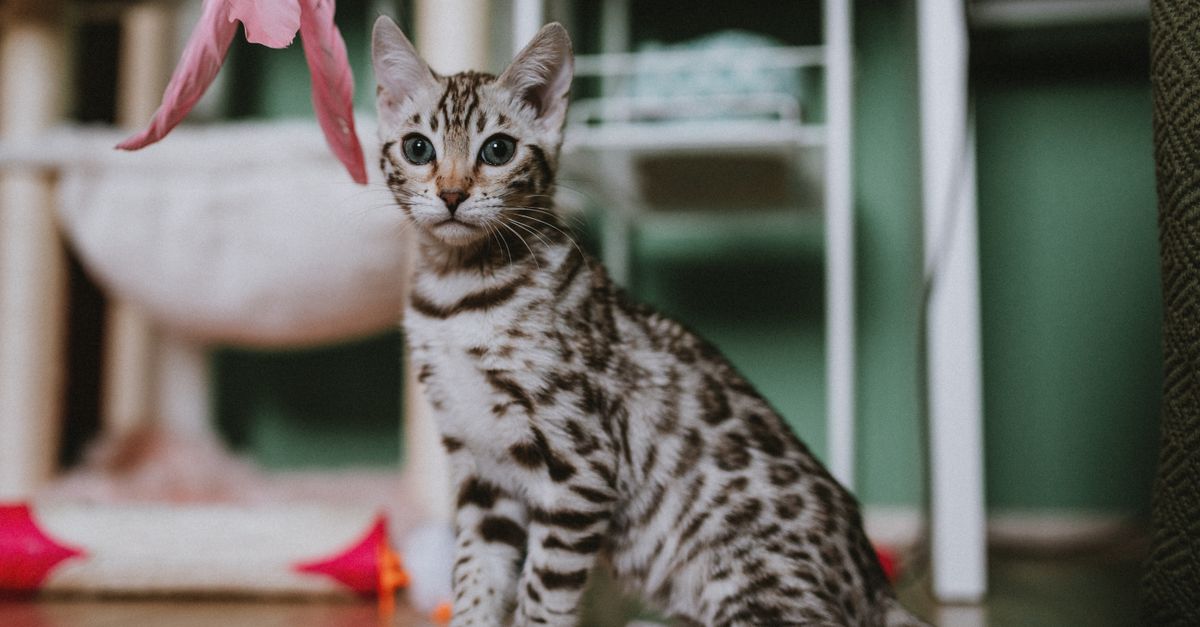
Uncover the hidden causes behind your cat's litter box avoidance. Learn the practical, often overlooked solutions for a clean home and happy cat.
There’s nothing quite like the stomach-dropping moment you discover an unexpected puddle or a suspicious pile outside the litter box. It’s frustrating, it’s messy, and it’s often met with a reactive sigh or even anger. You might immediately assume it’s an act of defiance, or perhaps your cat is just ‘being difficult.’ But after years of working with countless feline clients and living in multi-cat households myself, I can tell you with absolute certainty: your cat isn’t doing this to spite you. Litter box avoidance is almost always a distress signal, a cry for help that’s easily misinterpreted. The real challenge isn’t just cleaning up the mess; it’s understanding the silent language your cat is speaking and addressing the root cause. Ignoring it won’t make it go away; in fact, it often makes the problem worse, cementing a habit that’s far harder to break. What changed everything for me, both personally and professionally, was shifting my perspective from ‘my cat is misbehaving’ to ‘what is my cat trying to tell me?’ This article will walk you through the often-missed clues and the practical, evidence-based solutions that have transformed homes from frustrating clean-up zones to peaceful, litter-box-consistent havens.
Key Takeaways
- Most litter box avoidance stems from solvable environmental, social, or medical issues, not defiance.
- The ‘N+1’ rule for litter boxes (number of cats plus one) is critical, but placement and type are equally important.
- Stress, even subtle changes in routine, can trigger inappropriate elimination, requiring proactive management.
- Veterinary checks are non-negotiable to rule out underlying medical conditions before behavioral interventions.
The Overlooked Medical Underpinnings: Always Rule Out the Vet First
I cannot stress this enough: before you change a single litter box, before you try a new litter, and certainly before you scold your cat, schedule a vet visit. In my experience, at least 70% of new onset litter box issues have a medical component, sometimes subtle, sometimes glaring. Cats are masters at hiding pain and discomfort, and inappropriate elimination is often the first, and sometimes only, sign you’ll get.
Think about it from your cat’s perspective: if urinating or defecating causes pain (due to a urinary tract infection, bladder stones, inflammatory bowel disease, kidney disease, or even arthritis making it hard to get into the box), they will quickly associate the litter box with that discomfort. They’ll then seek out softer, more comfortable, or less painful places to relieve themselves – your laundry pile, the bath mat, a carpeted corner.
I once worked with a client whose 10-year-old cat, Mittens, suddenly started urinating on her bed. The owner was convinced Mittens was angry about a new schedule. A vet visit, however, revealed early-stage kidney disease causing increased thirst and urination, making it harder for Mittens to ‘hold it’ and leading her to seek a more immediate, soft spot. With appropriate medication and diet, Mittens returned to using her litter box exclusively.
So, before you embark on any behavioral strategy, get a clean bill of health. This isn’t just a recommendation; it’s the foundational first step. Without it, you’re merely treating a symptom, and the problem will almost certainly persist or recur.
Your Litter Box Setup is Likely Wrong: The ‘N+1’ Rule is Just the Beginning
Many cat owners believe they have an adequate litter box setup. They have one, maybe two, for their two cats. They scoop daily. What more could there be? In reality, the most common environmental mistakes I encounter go far beyond the basics. While the ‘N+1’ rule (number of cats + one box) is a good starting point, its effectiveness hinges on several other crucial factors that are frequently ignored.
1. Location, Location, Location: Think about where you prefer to use the bathroom. Do you want it in a high-traffic area, next to a loud appliance, or in a dark, scary basement corner? Your cat feels the same way. Litter boxes need to be in quiet, private, and easily accessible locations. Avoid placing them:
- Next to noisy washing machines or furnaces that cycle on and off unpredictably.
- In high-traffic hallways where people and other pets constantly pass by.
- In deep, dark closets or basements where a cat might feel trapped or unsafe.
- Too close to food and water bowls – cats are instinctively clean and don’t like to eliminate near their dining area.
My recommendation: Place boxes on different floors of the house if applicable, and in multiple, distinct spots even on the same floor. For instance, in a multi-cat household, if one cat ‘guards’ a box, another cat needs an alternative escape route. I helped a client resolve a long-standing issue simply by moving a box from a corner behind a sofa (where the resident bully cat could ambush) to an open, yet private, spot in a spare bedroom.
2. The Right Box for the Right Cat: Not all litter boxes are created equal, and what works for a spry kitten might be a nightmare for an arthritic senior cat.
- Size Matters: Most commercial litter boxes are too small. Cats need room to turn around comfortably, dig, and cover. Aim for a box that is at least 1.5 times the length of your cat from nose to base of tail.
- Lid or No Lid? While covered boxes might appeal to our aesthetics or smell control, many cats feel trapped, experience poor ventilation (concentrating odors), or find the entrance difficult. In my experience, open boxes are almost always preferred. If you must use a covered box, ensure it’s extra-large and clean it rigorously.
- Entrance Height: For senior cats, cats with mobility issues, or very young kittens, high sides can be a barrier. Look for low-entry boxes or consider cutting down one side of a plastic storage bin to create an easy access point.
3. Scooping Frequency and Depth of Litter: You wouldn’t want to use a dirty toilet, and neither does your cat.
- Scoop at Least Twice Daily: Ideally, scoop immediately after each use. A good rule of thumb: scoop every morning and every evening.
- Full Litter Changes: Even with daily scooping, litter boxes need a full litter change and a thorough scrub with unscented soap and water at least once a week, or bi-weekly depending on the litter type and number of cats. Avoid harsh chemicals or strong-smelling cleaners, which can deter your cat.
- Litter Depth: Cats like to dig. Provide at least 3-4 inches of litter. Too shallow, and they can’t properly bury their waste, which goes against their natural instincts.
These seemingly small details collectively make a massive difference. Overlooking them is often why seemingly good litter box strategies fail.
The Hidden Problem: Litter Type and Cat Preferences
If you’ve ever walked down the cat litter aisle, you know the sheer variety is overwhelming: clay, silica gel, pine, corn, paper, scented, unscented, clumping, non-clumping. It’s easy to grab whatever’s on sale or what you find least offensive. But what you prefer and what your cat prefers can be vastly different, and this mismatch is a frequent cause of litter box aversion.
Cats often have strong preferences regarding texture and scent. Their paws are incredibly sensitive, and their sense of smell is far more acute than ours.
1. Scented Litters are a Major Offender: While scented litters might mask odors for human noses, for a cat, that strong perfume can be irritating and overwhelming. Many cats will actively avoid a box filled with scented litter. In my early days as a cat owner, I made this mistake, thinking a ‘fresh linen’ scent was a good idea. My cat, Luna, politely (or rather, impolitely) rejected it by going on the bath mat. Switching to unscented clay clumping litter immediately resolved the issue. Always opt for unscented litter.
2. Texture Preference: The ideal texture for most cats is a fine-grained, soft, sand-like material. This mimics the loose soil they would naturally use outdoors.
- Fine-Grained Clay Clumping Litter: This is almost universally accepted by cats. It’s soft on their paws, allows for easy digging, and clumping makes scooping more efficient.
- Avoid: Large pellets (pine, paper) or silica gel crystals can be uncomfortable for sensitive paws, especially for older cats. These textures also don’t allow cats to bury their waste effectively, which is a strong instinct.
How to Identify Your Cat’s Preference (The Litter Buffet Method): If you’re unsure, or have multiple cats with different preferences, conduct a ‘litter buffet.’ Set up 2-3 identical litter boxes side-by-side, each filled with a different type of unscented litter (e.g., fine-grained clumping clay, paper pellets, corn litter). Observe which box your cat uses most consistently over several days. Once you identify the preference, switch all boxes to that litter type. This simple experiment can be incredibly insightful and save you a lot of guesswork.
The Silent Killer: Stress and Anxiety in the Home
Cats are creatures of habit and routine. Any significant change in their environment or social structure can be a massive source of stress, leading to a host of behavioral issues, including litter box avoidance. Unlike dogs, who might overtly show anxiety with pacing or whining, a cat’s stress often manifests internally or through subtle changes, with inappropriate elimination being a common outcome.
Consider these common stress triggers:
1. Changes in the Household:
- New Pet: A new dog or cat introduces territorial competition and alters existing social dynamics.
- New Baby/Person: New smells, sounds, and reduced attention can be highly disruptive.
- Moving House: A completely new environment is immensely stressful.
- Rearranging Furniture: Even minor changes can throw a sensitive cat off balance.
2. Inter-Cat Aggression: In multi-cat households, subtle bullying is often missed. One cat might be ambushing another near the litter box, preventing access, or simply staring them down. The victim cat then avoids the area, seeking safer, albeit inappropriate, spots.
3. Environmental Stimuli:
- Loud Noises: Construction, loud music, or even frequent arguments can create an anxious environment.
- Lack of Resources: Not enough food bowls, water stations, resting spots, or litter boxes can lead to competition and stress.
4. Your Routine Changes: If you suddenly start working longer hours, travel frequently, or change your daily schedule significantly, your cat might feel neglected or anxious about the disruption.
How to Mitigate Stress:
- Gradual Introductions: For new pets or people, use slow, controlled introductions over weeks or months.
- Feliway Diffusers: Pheromone diffusers (like Feliway Classic) can help create a calming atmosphere, especially during periods of change.
- Vertical Space and Hiding Spots: Provide plenty of cat trees, shelves, and hiding boxes where your cat can retreat and feel safe. This is crucial for multi-cat homes.
- Consistent Playtime and Enrichment: Daily interactive play (10-15 minutes, 2-3 times a day) helps burn off energy and reduce anxiety. Food puzzles can also provide mental stimulation.
- Multiple, Dispersed Resources: Ensure there are enough food bowls, water sources, and litter boxes in various locations, minimizing the need for cats to compete.
When I moved apartments with my two cats, despite my best efforts, one of them started marking. I immediately deployed Feliway diffusers in multiple rooms, ensured all boxes were pristine, and created extra high-up hiding spots. Within a week, the behavior stopped. Addressing the stressor directly is key; ignoring it allows the anxiety to fester and the inappropriate elimination to become a deeply ingrained habit.
Cleaning Up Mistakes: Why You Need to Be Thorough (And Avoid Certain Products)
Discovering a new ‘accident’ can trigger an understandable impulse to clean it up quickly. However, the way you clean these spots is critically important. If even a trace of the urine odor remains, your cat’s powerful sense of smell will detect it, reinforcing that spot as an acceptable place to eliminate. This is why standard household cleaners often fail, and why some products can actually make the problem worse.
1. The Problem with Ammonia-Based Cleaners: Many common household cleaners contain ammonia. Cat urine naturally contains ammonia. Cleaning with ammonia-based products can actually attract your cat back to the spot, signaling it as a prime location for urination. It’s like putting out a neon sign that says, ‘Bathroom Here!’ Absolutely avoid using any ammonia-containing cleaners.
2. The Power of Enzyme Cleaners: For biological messes like urine and feces, you need an enzymatic cleaner. These cleaners contain enzymes that break down the uric acid crystals and other organic compounds in urine, completely neutralizing the odor.
How to Use: Blot up as much urine as possible with paper towels. Saturate the soiled area generously with the enzymatic cleaner. Don’t just spray; soak it. Allow it to air dry completely (this can take 24-48 hours, sometimes longer for deep carpets). You may need to repeat the process for stubborn odors. Follow the product instructions carefully.
My Recommendation: Brands like ‘Nature’s Miracle’ or ‘Rocco & Roxie Supply Co.’ are excellent choices. I always have a large bottle on hand, especially with a senior cat or during periods of stress.
3. Removing Odor from Hard Surfaces and Laundry:
- Hard Surfaces: For tile, hardwood, or linoleum, wipe up the urine, then clean with an enzymatic cleaner. Ensure it dries fully.
- Laundry: For washable items, pre-treat with an enzymatic cleaner or add a cup of white vinegar to the wash cycle (along with your regular detergent). Air dry or low heat to avoid baking in any residual odor.
4. Replacing Soiled Items: Sometimes, a deeply saturated item, like a cushion, rug pad, or even a small carpet section, cannot be fully salvaged. In these cases, it’s often best to replace the item entirely. This might seem drastic, but it’s a small price to pay for preventing repeated accidents and restoring harmony to your home. I’ve seen cases where clients finally gave in and replaced a heavily soiled area rug, and the problem vanished overnight because the deeply embedded scent was gone.
Thorough and appropriate cleaning isn’t just about hygiene; it’s a critical behavioral intervention. If the scent cue is gone, your cat is less likely to return to that spot, giving your other interventions a much better chance of success.
Creating a Positive Litter Box Association: Retraining and Reinforcement
Once you’ve addressed medical issues, optimized your litter box setup, chosen the right litter, and minimized stress, the final step is to positively reinforce appropriate litter box use. This isn’t about punishment (which is always counterproductive and damaging to your bond); it’s about making the litter box the most appealing, safe, and rewarding place to go.
1. Never Punish: Scolding, yelling, or physically punishing your cat for accidents will only teach them to fear you and to seek even more hidden places to eliminate. It creates anxiety and damages trust, making the problem worse.
2. The Power of Positive Reinforcement:
- Immediate Reward: When you see your cat use the litter box, offer immediate, high-value praise and a tiny, delicious treat (like a small piece of freeze-dried chicken or tuna flakes). The timing is crucial – within 3 seconds of them exiting the box. This positive association links the good feeling with the act of using the box.
- Don’t Overdo It: You don’t need to reward every single time forever, but consistently for the first few weeks or months, especially if the problem was severe.
3. Strategic Placement and Confinement (Temporary):
- For cats with persistent issues, temporarily confining them to a smaller area with their litter box, food, water, and bed can help ‘reset’ their habits. This might be a spare bathroom or a large dog crate. The goal isn’t punishment, but to limit options and make the litter box the most convenient and comfortable place. Gradually reintroduce them to larger areas once consistent use is established.
- Ensure the litter box in this confined space is exceptionally clean and comfortable. This is their primary bathroom.
4. Blocking Off Problem Areas: While you are working on the root cause, make previously soiled areas unappealing.
- Cover them with plastic sheeting, aluminum foil (many cats dislike the crinkly texture), or even double-sided sticky tape (like Sticky Paws).
- Place a food bowl or a cat bed in the ‘forbidden’ spot. Cats typically don’t like to eliminate where they eat or sleep.
5. Play and Enrichment Near the Box (Carefully): While you don’t want to place food in the box, engaging in calm play near the boxes can help create a positive, non-threatening association with the area. Just ensure the boxes remain clean.
Retraining is a process that requires patience and consistency. It’s about building new, positive habits and breaking old, undesirable ones. By making the litter box the most desirable option through cleanliness, proper setup, and positive reinforcement, you empower your cat to choose correctly.
Frequently Asked Questions
Q: My cat suddenly started peeing outside the box. Is it always a medical issue first?
A: In my experience, yes, almost always. Any sudden change in litter box habits, especially urination outside the box, warrants an immediate veterinary check-up to rule out common issues like UTIs, bladder stones, kidney disease, or arthritis. Cats are adept at hiding pain, and this is often their primary symptom.
Q: How many litter boxes do I really need for multiple cats?
A: The golden rule is ‘N+1’, meaning the number of cats plus one additional litter box. So, for two cats, you need three litter boxes. This helps prevent territorial disputes and ensures options if one box is occupied or perceived as unsafe by another cat. More importantly, ensure they are in different, quiet locations.
Q: What’s the best type of litter to use to prevent accidents?
A: Most cats prefer unscented, fine-grained, clumping clay litter. This mimics the texture they naturally seek for digging and burying. Avoid strongly scented litters, large pellets (like pine or paper), or silica gel crystals, which can be uncomfortable for their sensitive paws and overwhelming to their sense of smell.
Q: My cat keeps going in the same spot outside the box. How do I stop this?
A: First, ensure that spot has been thoroughly cleaned with an enzymatic cleaner to eliminate all traces of urine odor. Then, make the spot less appealing by covering it with aluminum foil or plastic, placing a food bowl or cat bed there, or using double-sided sticky tape. Simultaneously, ensure your litter box setup is ideal (cleanliness, number, location, litter type) to redirect your cat to the appropriate area.
Q: Can stress really cause litter box problems?
A: Absolutely. Cats are highly sensitive to changes in their environment and routine. New pets, new people, moving, loud noises, or even subtle inter-cat aggression can cause significant stress, leading to litter box avoidance as a coping mechanism. Addressing the stressor and providing a stable, enriching environment is crucial for resolution.
Solving litter box avoidance is rarely a quick fix, but it’s always solvable when approached with patience, understanding, and the right strategies. By putting your cat’s health, preferences, and well-being first, you’ll not only resolve the problem but also strengthen the bond you share. It requires shifting your perspective from seeing it as a ‘bad’ behavior to recognizing it as a critical communication from your feline friend. Start with the vet, refine the environment, manage stress, and reinforce good habits, and you’ll be well on your way to a harmonious, accident-free home.